Dizdar Park Public Art Project
Don Adolfo on Parade
Don Adolfo en Desfile
1947
Don Adolfo on Parade / Don Adolfo en Desfile
1947
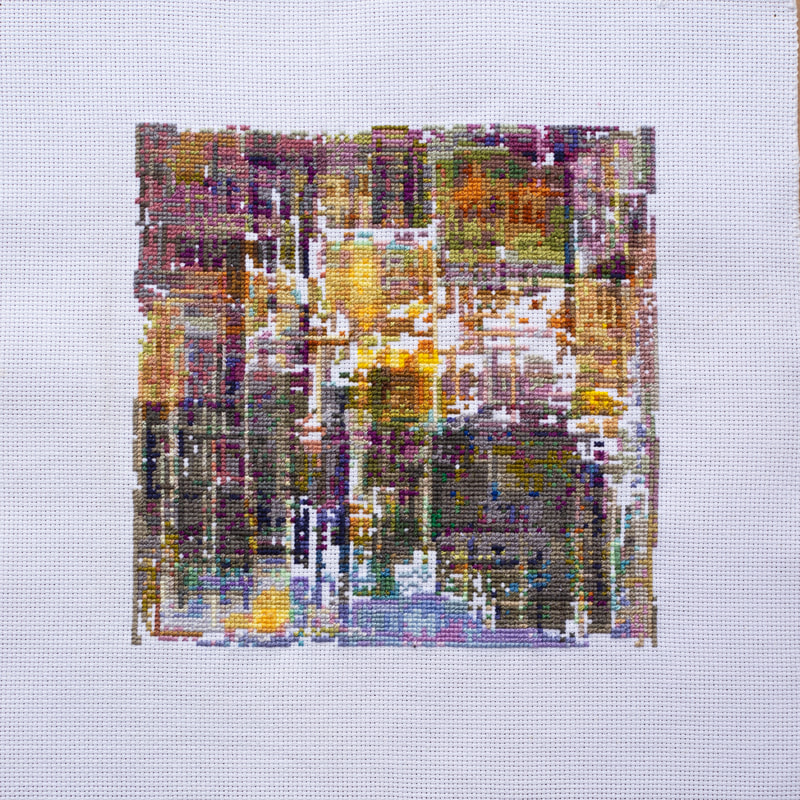
Illustration of Don Adolfo Camarillo astride a Camarillo White Horse. He wears a dark suit and wide-brim hat, holding the reins in a poised, formal posture. The horse is outfitted in parade tack with conchos and a decorative breast collar. Behind them stretch the valley flats and distant low hills; sweeping track marks cut across the ground. Bold engravings, cross-hatching, and a hand-cut border emphasize a ceremonial, iconic moment.
Dizdar at the Camarillo Firehouse
Dizdar en la Estación de Bomberos de Camarillo
1942
Dizdar at the Camarillo Firehouse / Dizdar en la Estación de Bomberos de Camarillo
1942
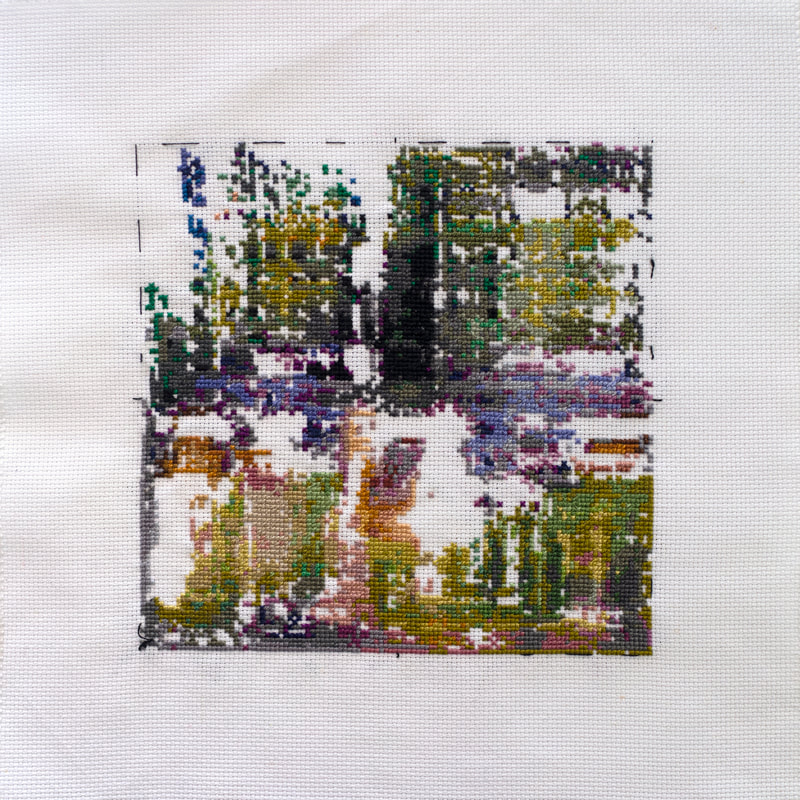
Illustration of Mike Dizdar behind three seated children on the lawn outside the old Camarillo firehouse. Tile roof, window bays, and clipped grass frame the group; scratchy hatching and a hand-drawn border give it a historic, documentary feel. The archive identifies Mike Dizdar standing behind the Putnam children: Roger, Eugenia, and Helen.
The Firehouse Five: Camarillo
Los Cinco del Cuartel: Camarillo
1942
The Firehouse Five: Camarillo / Los Cinco del Cuartel: Camarillo
1942
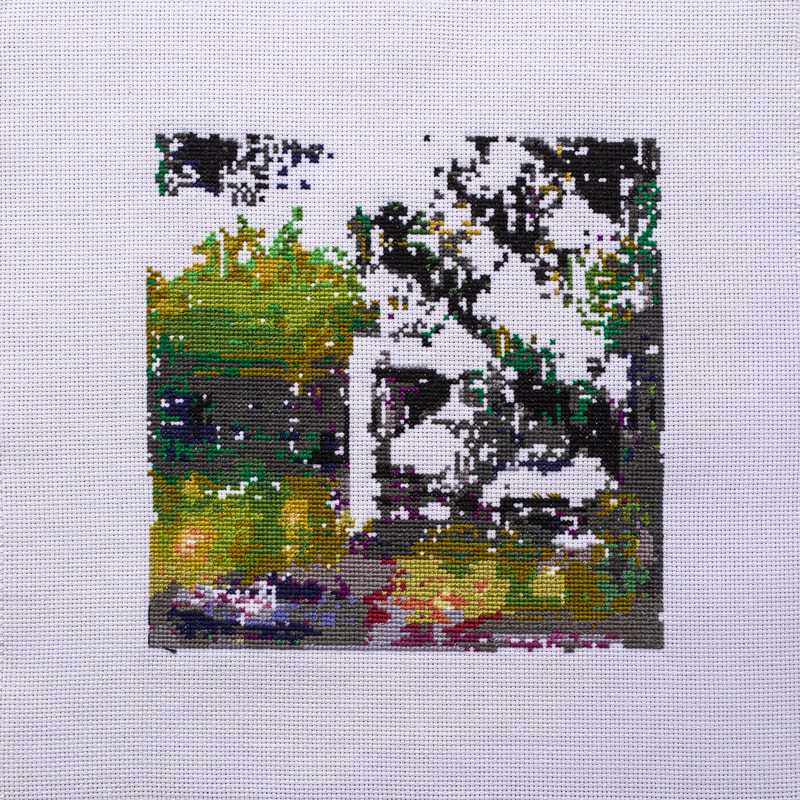
Portrait of five Camarillo firemen seated and standing close together, rendered with bold blocks, scratchy hatching, and a rough hand-drawn border. Dark coats, ties, and uniforms emerge from a dense, textured backdrop, giving the scene a gritty, documentary feel.
Based on a Museum of Ventura County photo dated February 1942, the image reflects Camarillo’s early fire brigade during the home-front years, when local crews and volunteers anchored public safety.
Eugene Putnam at the Camarillo Firehouse
Eugene Putnam en la Estación de Bomberos de Camarillo
1950’s
Eugene Putnam at the Camarillo Firehouse / Eugene Putnam en la Estación de Bomberos de Camarillo
1950’s
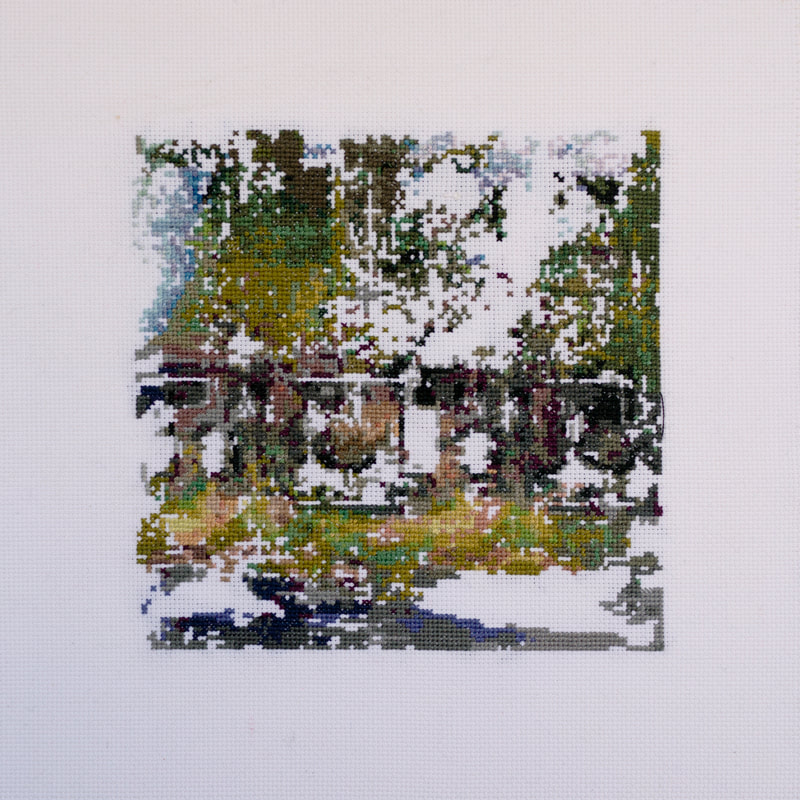
Illustration of Captain Eugene Putnam standing beside a fire engine outside the Camarillo firehouse; station façade and equipment details frame the figure, with a second man visible in the background.
Based on an image from the John Putnam Collection (1997), this scene documents Eugene Putnam, identified as Camarillo’s first fire captain, posed beside a department engine at the old firehouse; Johnny Moore appears in the background, an early snapshot of local fire protection.
Don Adolfo on Parade / Don Adolfo en Desfile
1947
Illustration of Don Adolfo Camarillo astride a Camarillo White Horse. He wears a dark suit and wide-brim hat, holding the reins in a poised, formal posture. The horse is outfitted in parade tack with conchos and a decorative breast collar. Behind them stretch the valley flats and distant low hills; sweeping track marks cut across the ground. Bold engravings, cross-hatching, and a hand-cut border emphasize a ceremonial, iconic moment.
Dizdar at the Camarillo Firehouse / Dizdar en la Estación de Bomberos de Camarillo
1942
Illustration of Mike Dizdar behind three seated children on the lawn outside the old Camarillo firehouse. Tile roof, window bays, and clipped grass frame the group; scratchy hatching and a hand-drawn border give it a historic, documentary feel. The archive identifies Mike Dizdar standing behind the Putnam children: Roger, Eugenia, and Helen.
The Firehouse Five: Camarillo / Los Cinco del Cuartel: Camarillo
1942
Portrait of five Camarillo firemen seated and standing close together, rendered with bold blocks, scratchy hatching, and a rough hand-drawn border. Dark coats, ties, and uniforms emerge from a dense, textured backdrop, giving the scene a gritty, documentary feel.
Based on a Museum of Ventura County photo dated February 1942, the image reflects Camarillo’s early fire brigade during the home-front years, when local crews and volunteers anchored public safety.
Eugene Putnam at the Camarillo Firehouse / Eugene Putnam en la Estación de Bomberos de Camarillo
1950’s
Illustration of Captain Eugene Putnam standing beside a fire engine outside the Camarillo firehouse; station façade and equipment details frame the figure, with a second man visible in the background.
Based on an image from the John Putnam Collection (1997), this scene documents Eugene Putnam, identified as Camarillo’s first fire captain, posed beside a department engine at the old firehouse; Johnny Moore appears in the background, an early snapshot of local fire protection.
Historical Context
This artwork commemorates the history of Dizdar Park. The park stands on two historic land grants and has a complex and intriguing history. In 1891, Frank and Augusta Davenport bought and donated land to the Pleasant Valley Baptist Church for use as a cemetery.
Prior to this date, the land had been used by the Church as a burial ground, with the oldest recorded grave belonging to Speer Warner, who died in 1874. In 1929, Juan Camarillo bought another parcel of land adjacent to the cemetery for $10,250 and left a bequest of $15,000 to build a community center and firehouse.
In 1941, the county constructed the firehouse and community center after matching the bequest from Juan Camarillo’s estate. The fire station was home to Engine Company 54. Eugene C. Putnam served as Fire Warden, later Fire Captain, leading a volunteer crew from the 1940’s until 1962. He and his family lived on site until 1995.
The Camarillo community center was roughly U-shaped, with the firehouse on the west side and offices on the east side for the Constable, Agricultural Commissioner, Chamber of Commerce, County Supervisor and court. At the front was the Ventura County Branch Library, housing a collection of 5,500 volumes, with Adele Flynn serving as library.
By 1941, the cemetery had fallen into disrepair. Hasen “Mike” Dizdar, a local philanthropist and entrepreneur, offered to pay for the removal of burial remains if the church donated the land to the county to be used as a park. When the park opened in 1945, it was named Dizdar Park in Mike’s honor.
In 1962, a small library was built in Dizdar Park at the corner of Ventura Boulevard and Glenn Drive. It was constructed at a cost of $44,444 and opened with a collection of 15,000 volumes. The library served the community until 1974, when the county built a larger branch library on Ponderosa Drive.
The firehouse continued to serve the city until 1995, when a new station was built at 2160 Pickwick Drive. The building remained unoccupied until its demolition in 2024. The City of Camarillo invested $10 million to refurbish the park so that it may continue to serve the community as a place to gather, play and remember the past.
About this Project
In 2025, the City of Camarillo commissioned Studio Channel Islands to create an artwork which tells the history of Dizdar Park. Studio Channel Islands invited artists from across the County of Ventura to propose plans for engaging the community in telling this story and developing the project. Elisa Torres was selected as the artist to lead this process and create the artwork which now stands within the park.
Elisa Torres is a graduate from California State University Channel Islands, an arts advocate, community organizer, and public artist. Her work transforms spaces with vibrant, large-scale pieces which celebrate community, culture, and identity.
The project took over a year to complete and involved research undertaken at the Museum of Ventura County, community workshops supported by students from California State University Channel Islands, and interviews with the family and friends of Mike Dizdar, Eugene Putnam, and the Camarillo family.
Special thanks are due to Charlotte Craven, Val Rains, Beth Miller, and the Pleasant Valley Historical Society for supporting this project and ensuring it benefited from the research and knowledge of local historians. The historical text was then reviewed by Dr. Marie Francois, Professor of History at California State University Channel Islands.
Special thanks from the artists to her family, Jeric Gambon and Ross Ami Gambon, for their support throughout this project.
This artwork was fabricated by Black Magic Metal, and the concrete structure was made by Al Lowe Construction.
The park was opened on March 21st, 2026, with a community celebration, including art classes by Elisa Torres and students from California State University Channel Islands. Families were invited to explore the park and make their own artworks inspired by Elisa’s portraits of the people who shaped the history of our community.



Trail Head (1)
The Trail Head project is an invitation to explore parks and open spaces through the eyes of artists and community members. Studio Channel Islands has been funded by VibeWell Ventura County to engage young people in making art in parks, beaches, and trails around the county.